Discover Michie Tavern Ca. 1784
Walking up the gravel path and hearing the creak of old floorboards, Michie Tavern Ca. 1784 feels less like a restaurant and more like stepping into a living chapter of Virginia history. I first ate here after a long afternoon exploring nearby Monticello, and the timing couldn’t have been better. Hungry, slightly sunburned, and curious, I followed the smell of fried chicken drifting from the kitchen, and that moment alone explained why this place still draws steady lines centuries after it opened.
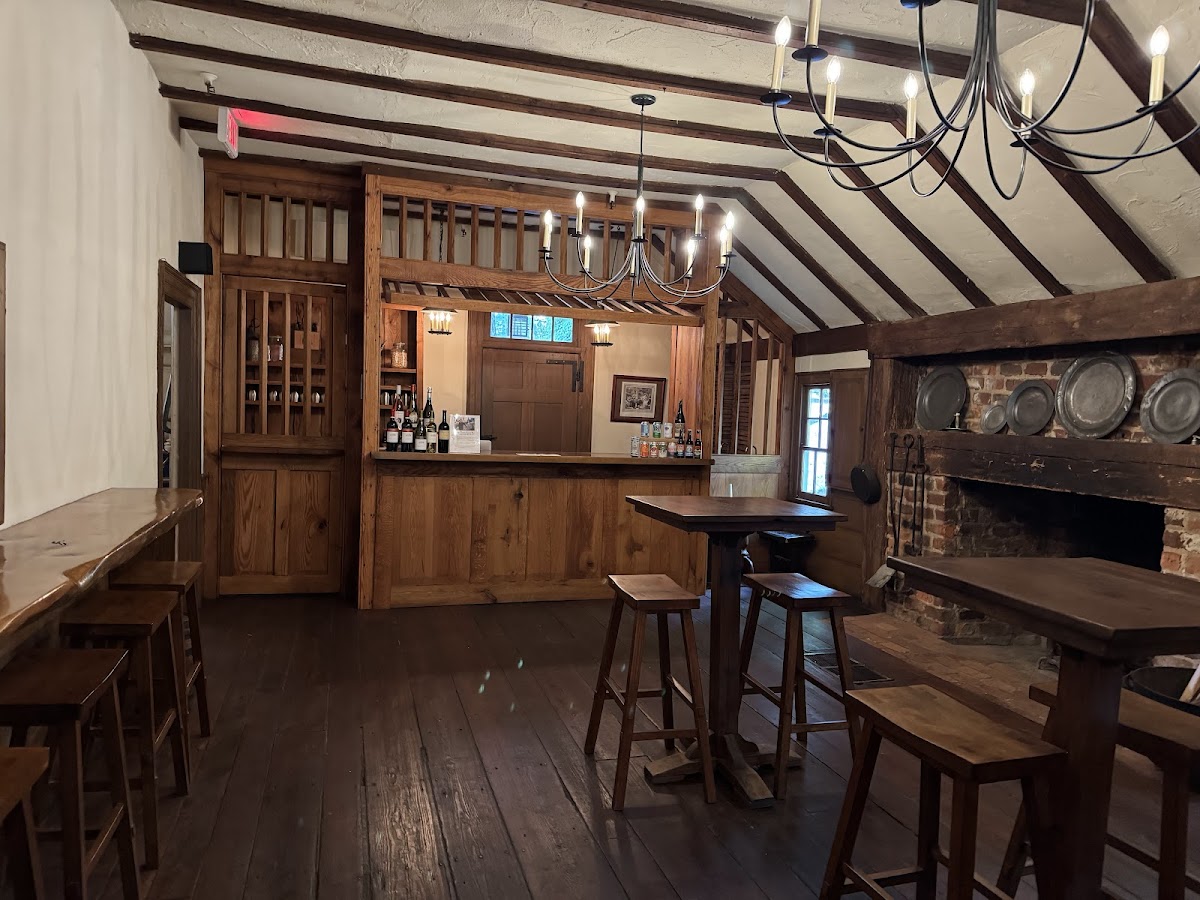
The tavern sits at 683 Thomas Jefferson Pkwy, Charlottesville, VA 22902, United States, and its location is part of the charm. It’s close enough to major historic sites to feel connected, yet tucked away enough to feel like a discovery. The property is made up of several preserved 18th-century buildings, restored using documented colonial construction methods supported by the Association for the Preservation of Virginia Antiquities. That attention to historical accuracy shows not only in the architecture but also in how the food is prepared and served.
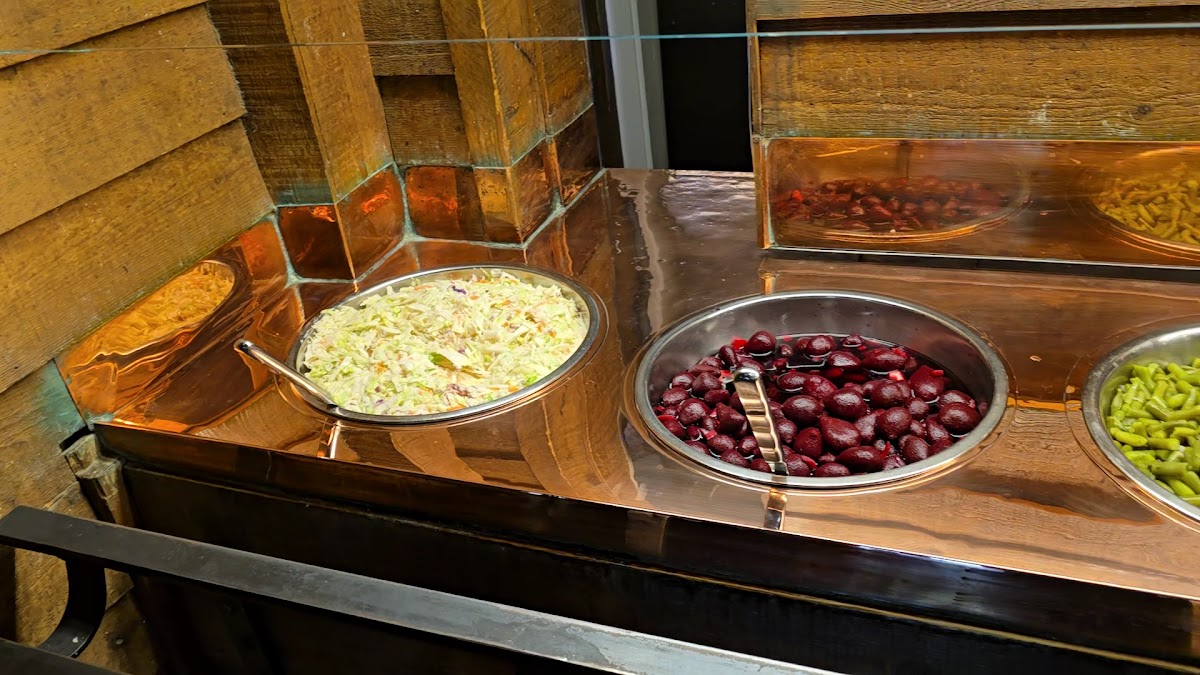
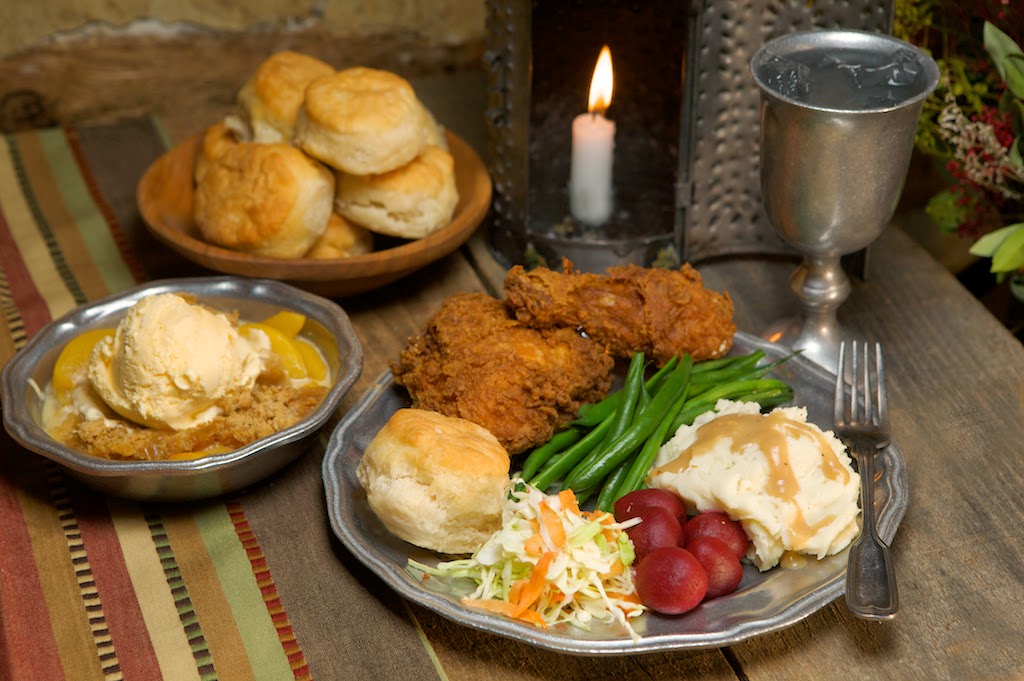
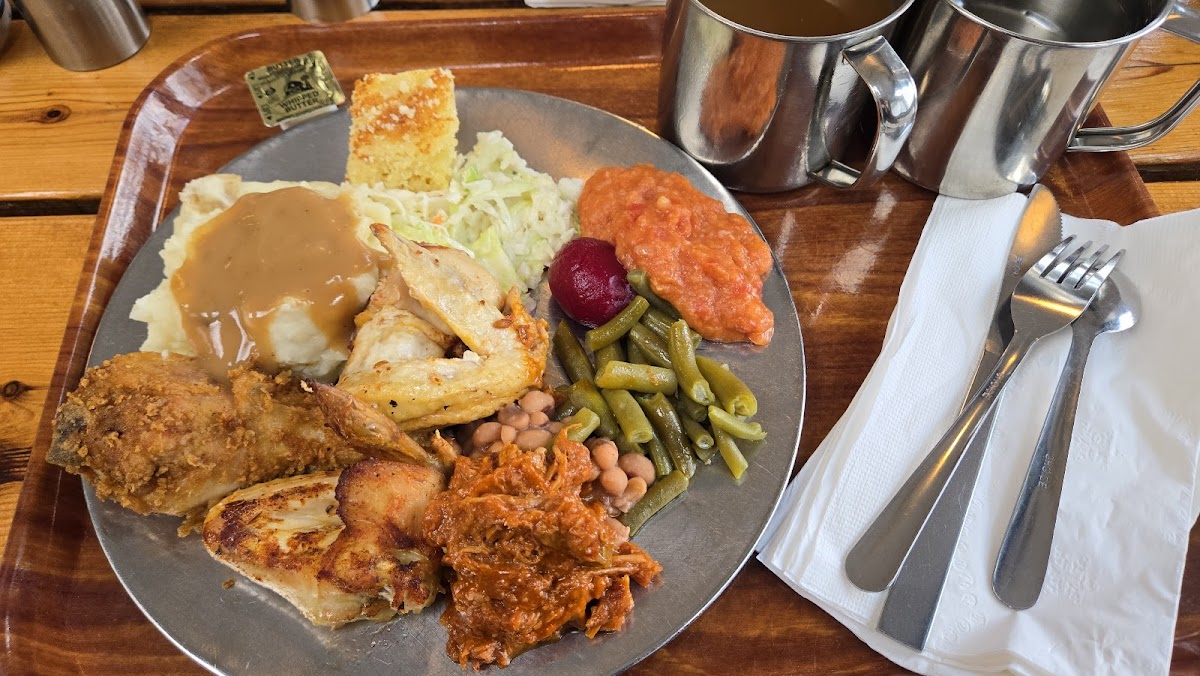
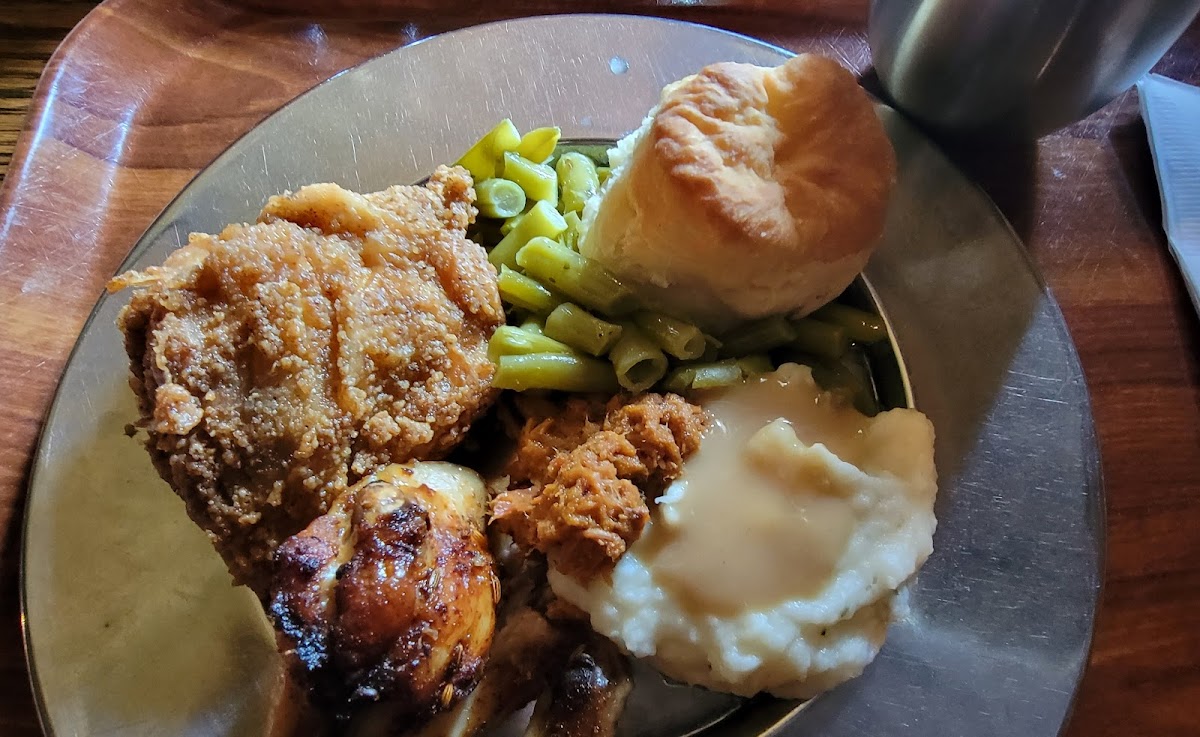
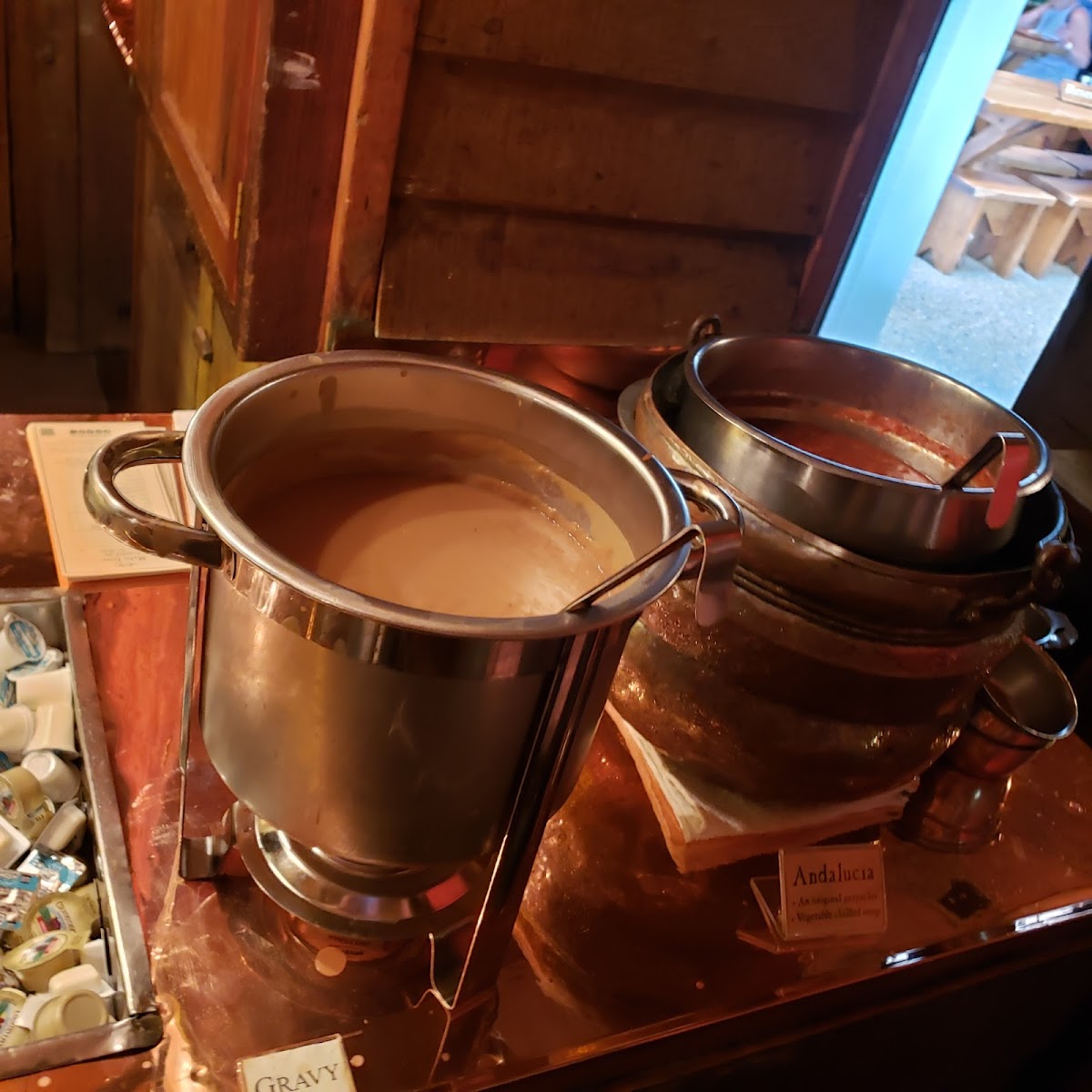
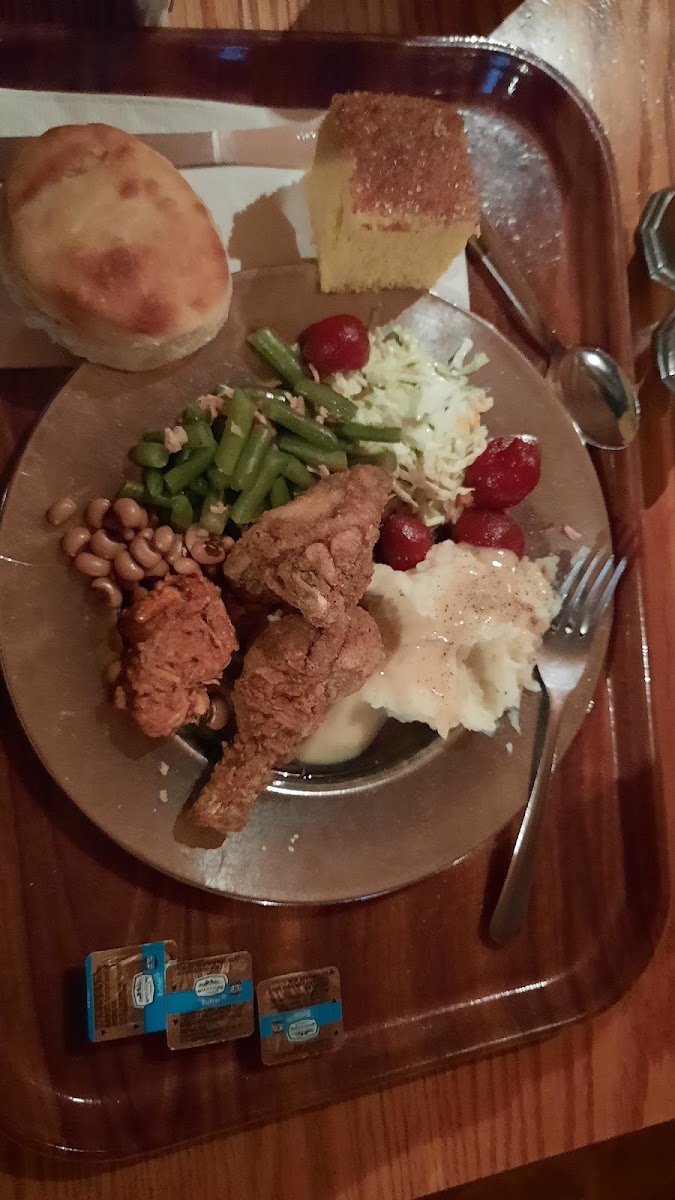
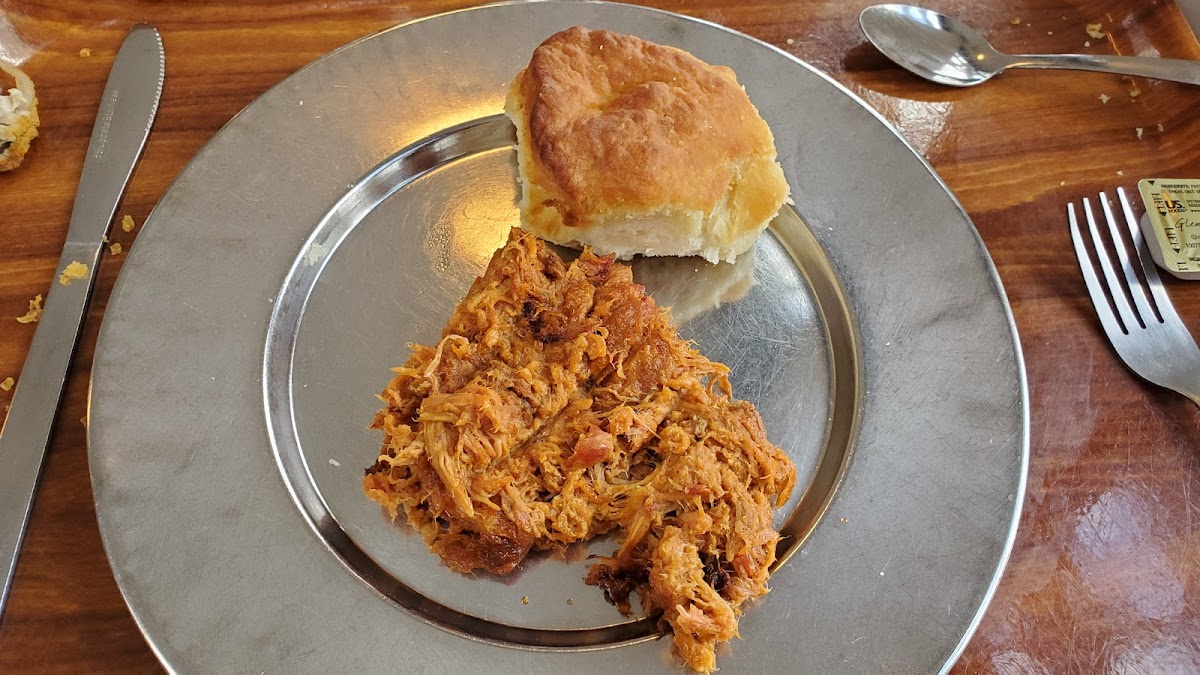
The menu leans heavily into traditional Southern comfort cooking, and it does so unapologetically. Meals are served family-style, which means long wooden tables, shared dishes, and a pace that encourages conversation. On my visit, platters of fried chicken, country ham, and roast beef were passed around alongside bowls of mashed potatoes, black-eyed peas, and stewed tomatoes. The chicken alone deserves its reputation: crisp outside, juicy inside, and seasoned simply enough to let technique shine. According to food historians from Colonial Williamsburg, early American taverns relied on similar cooking methods because cast-iron frying preserved moisture while maximizing flavor, and that approach clearly still works.
What stands out is consistency. Reviews across major dining platforms often mention that the food tastes the same year after year, which is harder to pull off than it sounds. The kitchen follows tightly controlled preparation processes, from breading chicken in small batches to slow-cooking vegetables without shortcuts. A former staff member once shared in a local interview that recipes are tested seasonally to account for ingredient changes, especially when sourcing produce from regional farms. That level of care explains why repeat visitors keep coming back.
Beyond the food, the experience adds depth. Staff members are trained not just in service but in local history, and it’s common to hear them explain how taverns once served as social hubs, post offices, and rest stops. Historians from the University of Virginia have documented Michie Tavern as an example of how colonial taverns shaped early American travel culture, which adds credibility to the stories told on-site. You’re not just eating; you’re participating in a tradition.
There are limitations worth noting. Because meals are served at set times and seating is communal, it may not suit travelers looking for a quick bite or private dining. During peak tourist seasons, waits can stretch longer than expected, something many reviews point out. Still, the tavern manages expectations clearly, and staff are upfront about timing, which builds trust.
Over the years, I’ve recommended this spot to friends, visiting family, and even colleagues attending conferences in Charlottesville. Every time, the feedback is similar: generous portions, hearty flavors, and an atmosphere that feels genuine rather than staged. In a dining world increasingly focused on trends, this place stays rooted in what it does best, offering comfort food, family style dining, and historic atmosphere in a way that feels honest and earned.